Competing with confidence: Natalia's Miss GB journey with eczema
Eczema isn't just a skin condition. Alongside the sleepless nights and relentless itchiness, it can affect your self-image, your confidence, and the way you move through the world.
Natalia, who is competing in the Miss GB beauty pageant, has battled with eczema her whole life. Her bravery to compete is truly remarkable - because one of the hardest things any of us can do is to love ourselves and be proud of who we are, exactly as we are. Natalia asked to share her story with us, and we are delighted to do so.
A Lifelong Battle: Growing Up With Eczema
I was diagnosed with eczema at just four weeks old. Luckily, the only treatment doctors offered at the time (steroids) worked well and kept it at bay for most of my childhood. Between the ages of 1 and 11, I only needed to use steroid creams occasionally, mainly on the creases of my arms and legs.
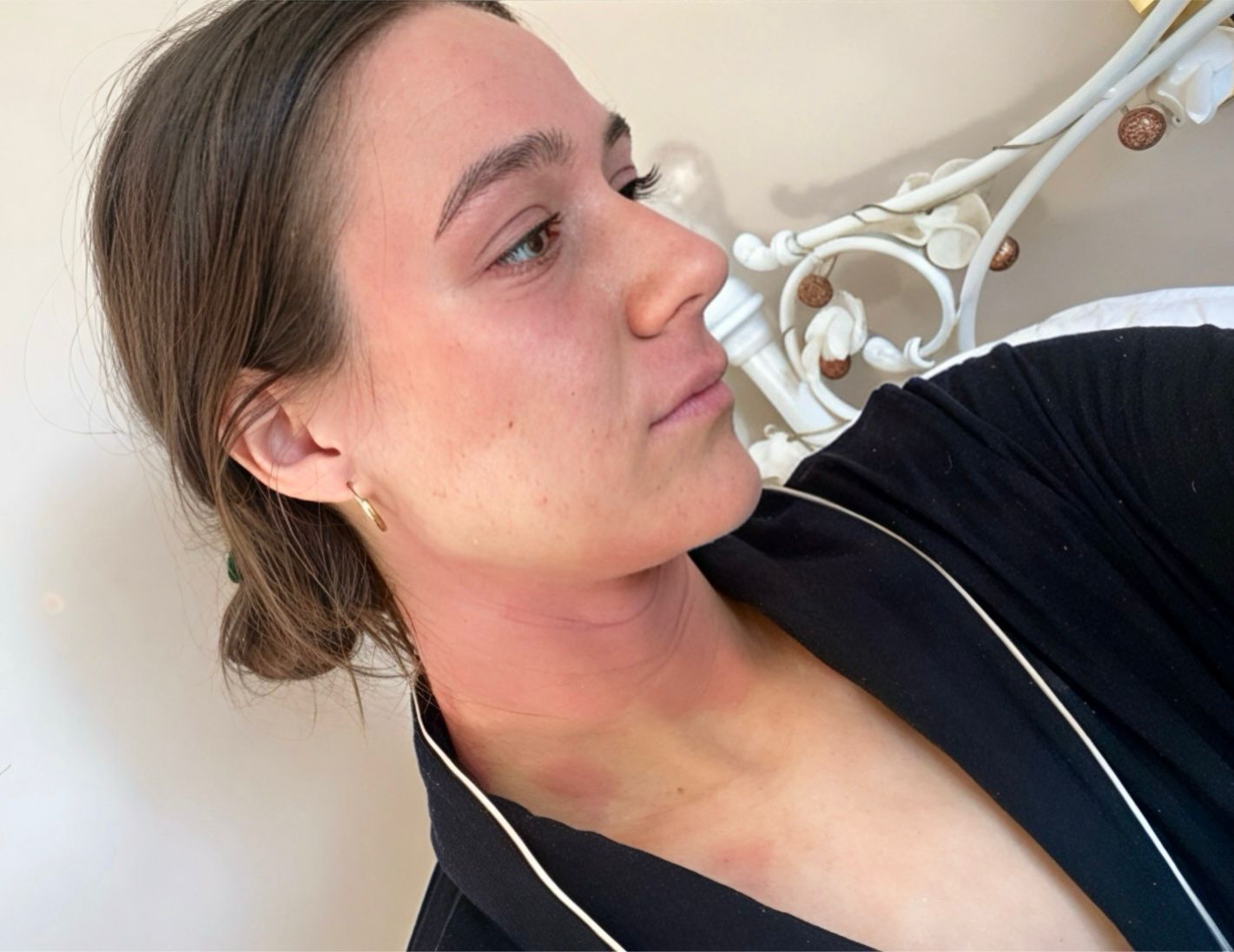
However, things took a turn once I started secondary school. My eczema came back in full force and appeared in places I had never experienced it before. The worst areas were my face, neck, and arms. During the summer, my skin would usually improve, probably thanks to the sun and sea, yet every winter, my eczema would flare badly again.
Worsening Symptoms
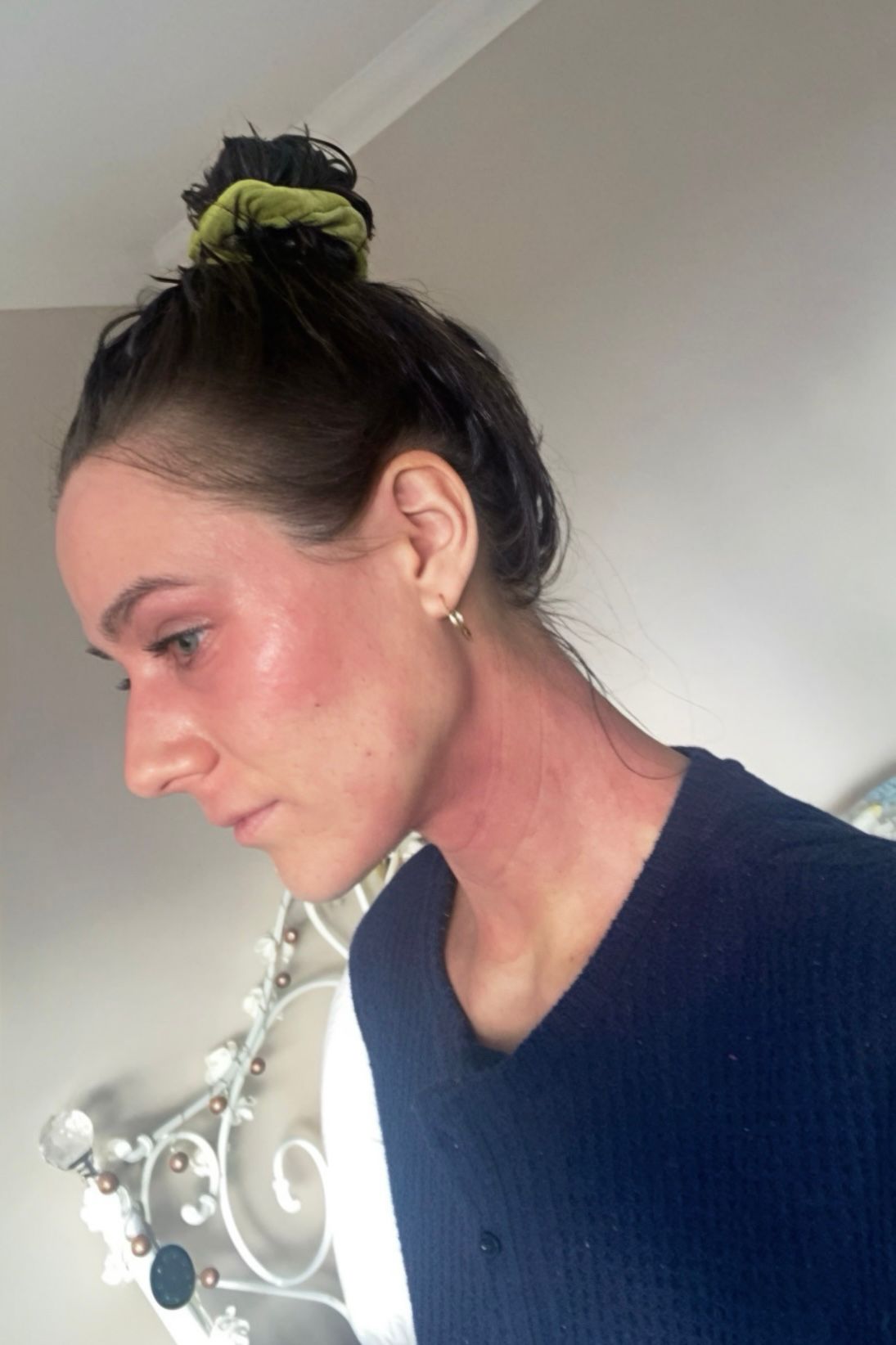
By Year 11, my eczema had become so severe that people at school would sometimes ask if I had been in an accident. I would try to explain that it was “just eczema,” but I was usually met with confused looks, so eventually I stopped trying to explain it altogether. By Year 12, I was using steroids almost weekly. I felt so embarrassed going into school with red, dry, scabby skin, and because we weren’t allowed to wear makeup, steroids became part of my routine.
Around this time, I began noticing major changes in my skin texture, especially on my face and neck. Some areas stayed permanently red, and I felt like my skin had aged years overnight. I knew steroids could thin the skin, and I also knew my dependence on them was growing. At one point, my skin became so bad that I was using steroids every single day, yet they no longer brought relief. Eventually, I gave up and stopped using them completely. Bad idea.
That’s when the sleepless nights began. The bone-deep itching. My entire body became covered in wounds. I couldn’t understand how something that had once only affected my arms had now spread everywhere. I started sleeping with socks on my hands just to stop myself from tearing my skin apart during the night. Luckily, I had a dermatologist appointment coming up (one I had already waited almost a year for), and they urgently prescribed me steroids again, this time both topical and oral, alongside antibiotics. It helped initially, but by week four of the six-week course, my skin started flaring again. It was at this point that I realised I was going through TSW (topical steroid withdrawal).
Next came light therapy, combined with another round of oral steroids and the usual topical creams. It worked for the first few weeks, but I could only tolerate up to five minutes because my skin would burn so badly afterwards that it actually made my eczema worse. Eventually, I stopped the treatment altogether.
During all of this, I knew I had to find an alternative to steroids. And no, Protopic wasn’t the answer for me either; I couldn’t cope with the intense burning sensation every time I used it. I was also beginning to lose faith in the medical system because it felt like every medication came with a long list of side effects and precautions (which actually were never communicated to me or my parents) , and often required another medication to manage them.
So, I started researching other people’s eczema healing journeys. I discovered moisturisers and creams far better suited to my skin than the usual E45 and thick emollients I had always been told to use. I also read about the success many people had experienced after removing common allergens from their diets. Although my allergy tests came back clear, I decided to try it anyway. I cut out dairy, and it helped so much. When my skin flares badly now, I sometimes also remove gluten for a few weeks. I cleaned up my diet overall, too, making sure I ate plenty of fruit and vegetables while cutting back on junk food.
I also started taking supplements. They didn’t directly “heal” my eczema, but they helped me manage the stress of going through it all and made me feel like I was giving my body the support it needed.
If you're currently on an eczema treatment plan, please speak to your GP or healthcare professional before making any changes to your medication or management routine. If you are looking for information on the topics Natalia has discussed such as lifestyle factors and diet, we have a range of resources on our website.
That doesn’t mean my eczema has disappeared completely. I still get flare-ups, usually during periods of high stress or occasionally in winter. But now, I view my eczema differently. A friend once told me, “When you’re flaring, it means you need to start self-caring.” And honestly, I think that’s exactly what my body is trying to tell me through my eczema. It’s a reminder to slow down and take care of myself: nutritionally, mentally, emotionally, and physically, in whatever way I need most at that time (usually all of them).
Stepping Out of My Comfort Zone: Why I'm Competing in Miss GB
I first thought about entering after seeing someone else take part on social media. At first, I wasn’t completely sure if it was something I wanted to do, but after having a call and learning more about the fundraising and charity side of the pageant, it really interested me and ultimately motivated me to take part.
My reasons for competing go beyond the pageant itself. I wanted to push myself out of my comfort zone and hold myself accountable for the things I had always said I wanted to do - charity work, networking, meeting new people. I wanted to do something completely different, something that would challenge me. And honestly, any opportunity to wear a ball gown, I'll happily take.
Going into it, I made a promise to myself: I would embrace my natural skin and beauty, whatever condition my skin was in on the day. I wasn't going to hide behind heavy makeup or try to cover up any flare-ups. For me, this experience has always been about being authentic and showing that confidence doesn't have to depend on having "perfect" skin. In terms of managing my eczema, I haven't made any major changes - I've simply kept doing what I already do: keeping my stress levels low and avoiding my trigger foods.
So far, the experience has been really positive. The pageant itself takes place in July, but the journey leading up to it, interviews, networking events, fundraising, has already been incredibly great. I've met wonderful people, built my confidence, and been part of raising awareness for causes that really matter. I'm currently a Miss Essex finalist in the Miss GB competition, and July will determine who goes on to represent Essex at the national level.
We wish Natalia the best of luck and thank her for sharing her story with us.
Living with Eczema
Living with eczema can look different for everyone. From managing flare-ups to finding routines that support your skin, daily life with eczema often involves learning what works best for you.