
Diet and Eczema
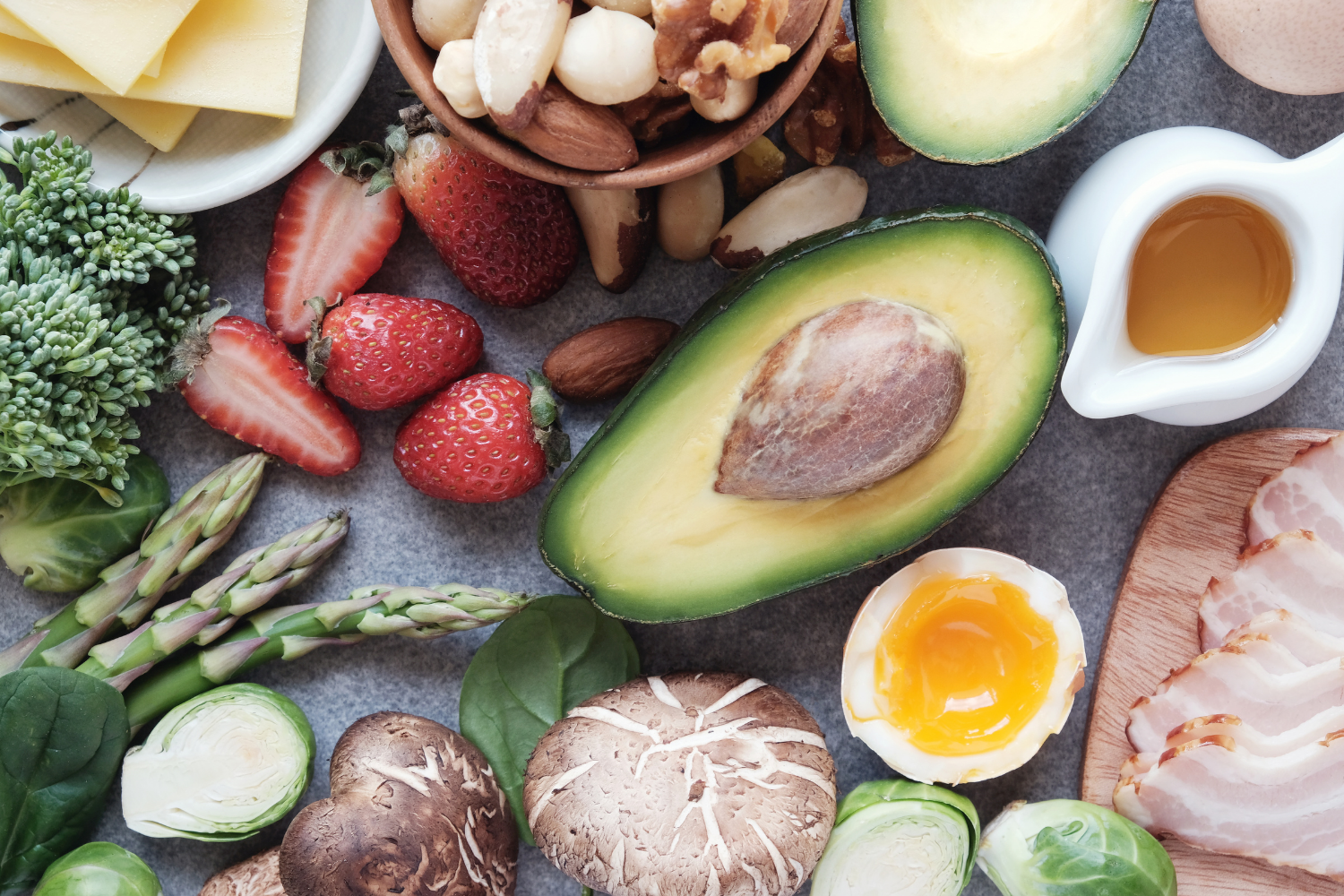
Diet may play an important role in managing eczema, from the effects of vitamin D on skin barrier function to the potential for probiotics to reduce the risk of eczema in early life. Here, we take a closer look at what the latest evidence suggests.
Is vitamin D the answer?
Ask the Expert
Q&A with Julie Van Onselen, Dermatology Nurse Adviser to Eczema UK (Exchange 185, September 2022)
Vitamin D is essential for maintaining healthy bones and teeth, and it also supports immune function by helping to regulate the immune system. This is an important consideration, as atopic eczema is an inflammatory condition. While sunlight is the main source of vitamin D, it can also be obtained through certain foods and supplements.
Researchers have explored whether low vitamin D levels may contribute to eczema and whether supplementation could improve symptoms. A 2015 clinical review suggested a link between eczema and lower vitamin D levels, indicating that vitamin D may help strengthen the skin barrier and reduce inflammation. A 2018 systematic review found that children under 18 with low vitamin D levels tended to have more severe eczema, with around 67% experiencing improvements after supplementation.
Further research, published in the British Journal of Dermatology, showed that babies were less likely to develop atopic eczema in their first year if their mothers took 25 mcg of vitamin D daily from 14 weeks of pregnancy until birth. However, despite these promising findings, there is still not enough evidence to confirm that vitamin D directly influences the development of eczema.
Vitamin D supplement recommendations
Only a small amount of sunlight is needed to maintain adequate vitamin D levels, but in the UK, sunlight is sufficient for this purpose for only about half the year. For this reason, NHS guidelines recommend that everyone consider taking a vitamin D supplement from October to April.
Some groups are at higher risk of deficiency and are advised to take supplements year-round. These include children aged 0–4, people who avoid sun exposure (such as those with sun-sensitive eczema), older adults, individuals with darker skin tones, and those with certain health conditions such as Crohn’s disease, ulcerative colitis, or coeliac disease.
For individuals with low vitamin D levels, supplements may be prescribed following a blood test. While this is not routinely offered for eczema, it can be requested alongside other tests. Even for those with normal levels, a daily supplement of 15–20 mcg (vitamin D2, or D3 for vegans) can support general health during the colder months. As vitamin D is fat-soluble, it should be taken with food, and recommended doses should not be exceeded.
Can probiotics help prevent eczema?
Expert Interview
Professor Carsten Flohr, St John’s Institute of Dermatology, Guy’s and St Thomas’ Hospitals (Exchange 182, December 2021)
Probiotics are live microorganisms, such as bacteria or fungi, that can support health when consumed or applied to the skin. They are commonly found in fermented foods like live yoghurt, as well as in dietary supplements.
Current research shows that while probiotics cannot cure eczema once it has developed, they may help reduce the risk of eczema in babies who are predisposed to it. Once inflammation and the itch–scratch cycle are established, probiotics are unlikely to have a meaningful impact on the condition itself.
In high-risk infants, for example, where a parent has eczema, studies suggest that probiotic use can reduce the likelihood of developing eczema by up to 50%. For maximum benefit, mothers would need to take probiotics during the final trimester of pregnancy, with supplementation continuing for the baby during the first months of life.
The most commonly studied probiotic strains are Lactobacillus and Bifidobacterium, though research uses a variety of combinations, making it difficult to recommend a single product. Refrigerated probiotics from health food shops are often considered among the more effective options.
Probiotics on the skin
The bacterium Staphylococcus aureus commonly colonises the skin of people with eczema, contributing to flare-ups and infections. Researchers are investigating whether other bacteria, such as Staphylococcus epidermidis, may help protect the skin by limiting the growth of harmful microbes.
Early studies using personalised, bacteria-based creams have shown promise, though this approach is not yet widely available. Another area of research focuses on Vitreoscilla filiformis, a bacterium found in spa water; creams containing this organism have been linked to reduced itching in people with mild eczema, although further research is needed.
Diet, breastfeeding and early weaning
Evidence from a large study involving more than 16,000 mothers and children suggests that promoting breastfeeding, even if not exclusively, may help reduce the risk of eczema into adolescence.
Introducing common allergenic foods such as cow’s milk, egg, peanut, sesame, cod, and wheat from around three months of age, alongside breastfeeding, has also been shown to significantly lower the risk of developing allergies.
A less diverse gut microbiome in early life has been associated with a higher risk of eczema. Probiotics may help support a more diverse microbial environment, which in turn can promote healthy immune development and reduce inflammation.
It’s important to note that diet is just one piece of the puzzle. Environmental factors such as water hardness, antibiotic exposure, and genetic influences like filaggrin mutations - also play a significant role in the development of eczema.