
Skin infections and eczema
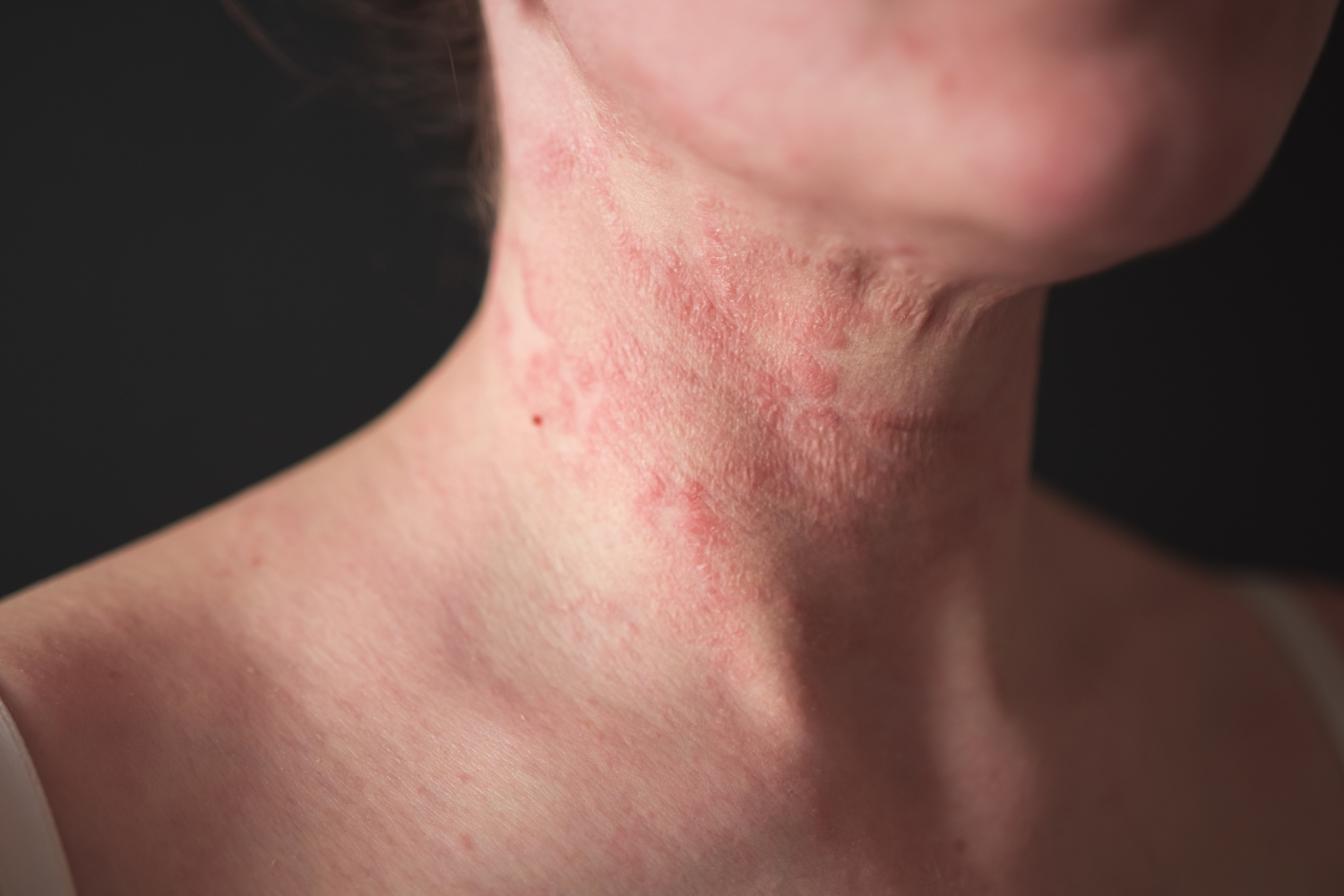
Skin infections are common in people with eczema, and it is highly likely that at some point you will experience either a bacterial, fungal or viral infection.
Why is eczema skin prone to infections?
When you have eczema, the top layer of the skin (the epidermis) is often damaged. This damage can be visible to the naked eye, appearing as cracks and areas opened up by scratching. There is also less protection within the skin, which you cannot see. These alterations in the barrier function of the skin increase the potential for skin infection. Infections that develop because of the underlying condition of eczema are often described as ‘secondary infections’.
Skin infections require intervention to clear them up as they do not improve on their own. The quicker the infection is recognised, and the sooner treatment is started, the better the response to treatment will be. Preventing infection is also important – from simple hand-washing before applying your creams to more sophisticated methods using antiseptics.
Types of infections
How to prevent infections
Simple measures to help prevent infection include the following:
Always wash your hands before applying topical treatments.
Remember to decant emollients from any tubs you may be using – if you dip your fingers into a tub, it can easily become contaminated with bacteria. A metal dessert spoon is good for decanting emollient and washes well under the tap. If you are using pump handle dispensers for your emollients, you do not need to decant – you can just pump the emollient onto your hand (avoid touching the nozzle).
Suppose your eczema is infected by Staph. aureus, or you have a fungal or viral infection, avoid sharing towels, bedding and clothing until the infection has cleared.
Some people with eczema suffer recurrent bacterial infections and require antibiotic treatment on several occasions. These people are often advised to use antiseptic washes or creams to reduce the amount of Staph. aureus on the skin. Commonly, these antiseptics are triclosan, chlorhexidine gluconate or sodium hypochlorite. These antiseptics come combined with emollient preparations and can be used to wash with in the bath or shower, or applied as a leave-on preparation. One of the advantages of controlling infections with antiseptics is that they do not create bacterial resistance.
Bleach bathing is a treatment option for people who experience recurrent infections. Bleach bathing uses the chemical sodium hypochlorite, which is effective against bacteria, fungi, viruses and MRSA. The principle of bleach bathing is to bathe in the bleach solution twice a week, and continue with your usual treatment routine in between.
Bleach bathing
A review of the research available on bleach bathing (Cochrane systematic review, published in October 2019), found that bleach baths were unlikely to make any difference to eczema or to patients’ quality of life. If you try bleach bathing, do so with caution and discuss it with your doctor first. Care must be taken as the wrong substance or too high a concentration can be harmful.
You must not use household bleach for bleach bathing as the concentration of sodium hypochlorite will vary in products, and most will have additional chemicals that could damage your skin.
Milton Sterilising Fluid, at a strength of 2% sodium hypochlorite, is the only product that currently provides the strength used in research trials. It has been adopted by hospitals and can be bought cheaply from pharmacies. It does not contain any perfumes or colourants and does not degrade, so it provides a stable strength.
The following instructions are for a standard full-size bath:
Fill the bath with warm water to around 10cm depth. This is usually around 60 litres. You can use a measuring jug or bucket the first time to help work out how much this looks like. Make a mark on the bath tub for future filling – a small strip of Gaffer tape just above the water line works well for this.
Add 125ml or 1/2 a cup of Milton Sterilising Fluid to the water and completely mix it in (around 2ml per litre of bathwater).
Soak in the bath water up to your neck for ten minutes. For smaller children, you can use a sponge or flannel to soak any dry and affected areas that are out of the water.
Do not splash water onto the face as it will irritate the eyes.
Rinse yourself or your child well with fresh warm water, for example, in the shower.
Pat the skin gently dry with a soft towel and apply emollient.