
Katie's Story
For world mental health day, meet Katie, who has lived with eczema her whole life. However, this past year has gone through an extensive and exhaustive 8 month flare up that put her in a very difficult place. Katie wants to raise awareness of the large effect eczema can have on mental health.
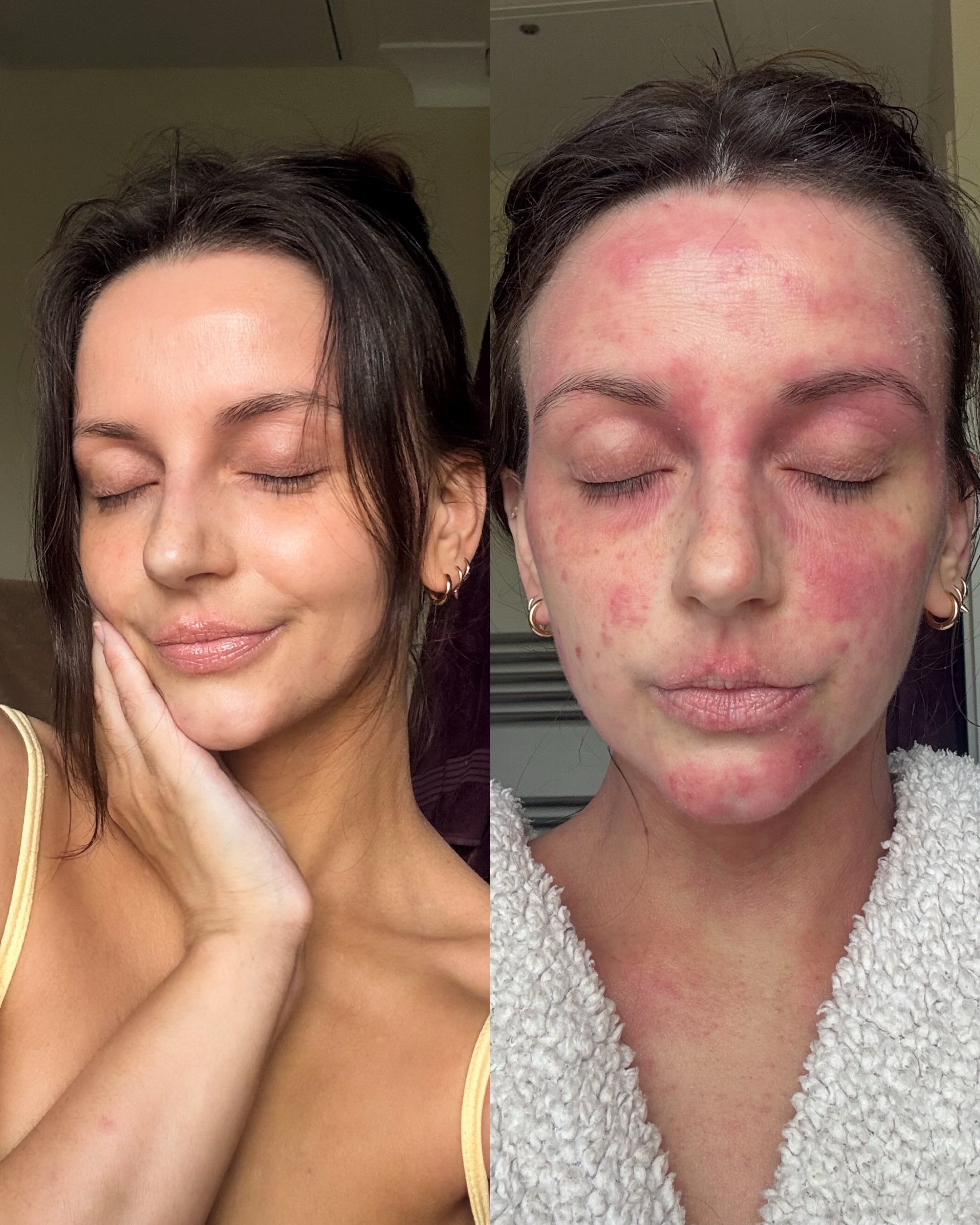
My story: When eczema affects more than your skin - the mental health impact of living with eczema
My name is Katie, I’m 33 and I have lived with atopic eczema since I was born. Whilst I’ve always had to deal with the challenges of eczema, this year I experienced the most severe and prolonged flare I have ever had. This experience made me realise how closely eczema and mental health are connected, and that the impact of eczema is not always visible.
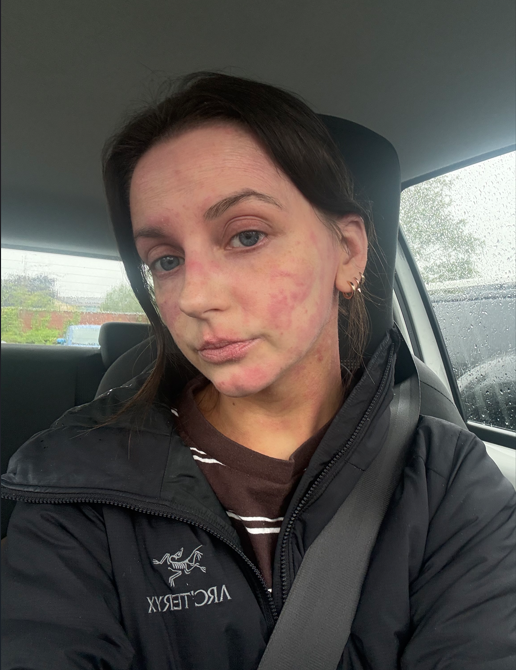
When eczema takes over your life
During this flare, eczema took over almost every part of my life. The constant itching, pain, burning and broken skin made even everyday things feel challenging. Things I had previously taken for granted became difficult like getting dressed, showering, leaving the house, exercising, household chores, seeing friends, making plans and working. I struggled with sleep and found myself thinking about my skin constantly.
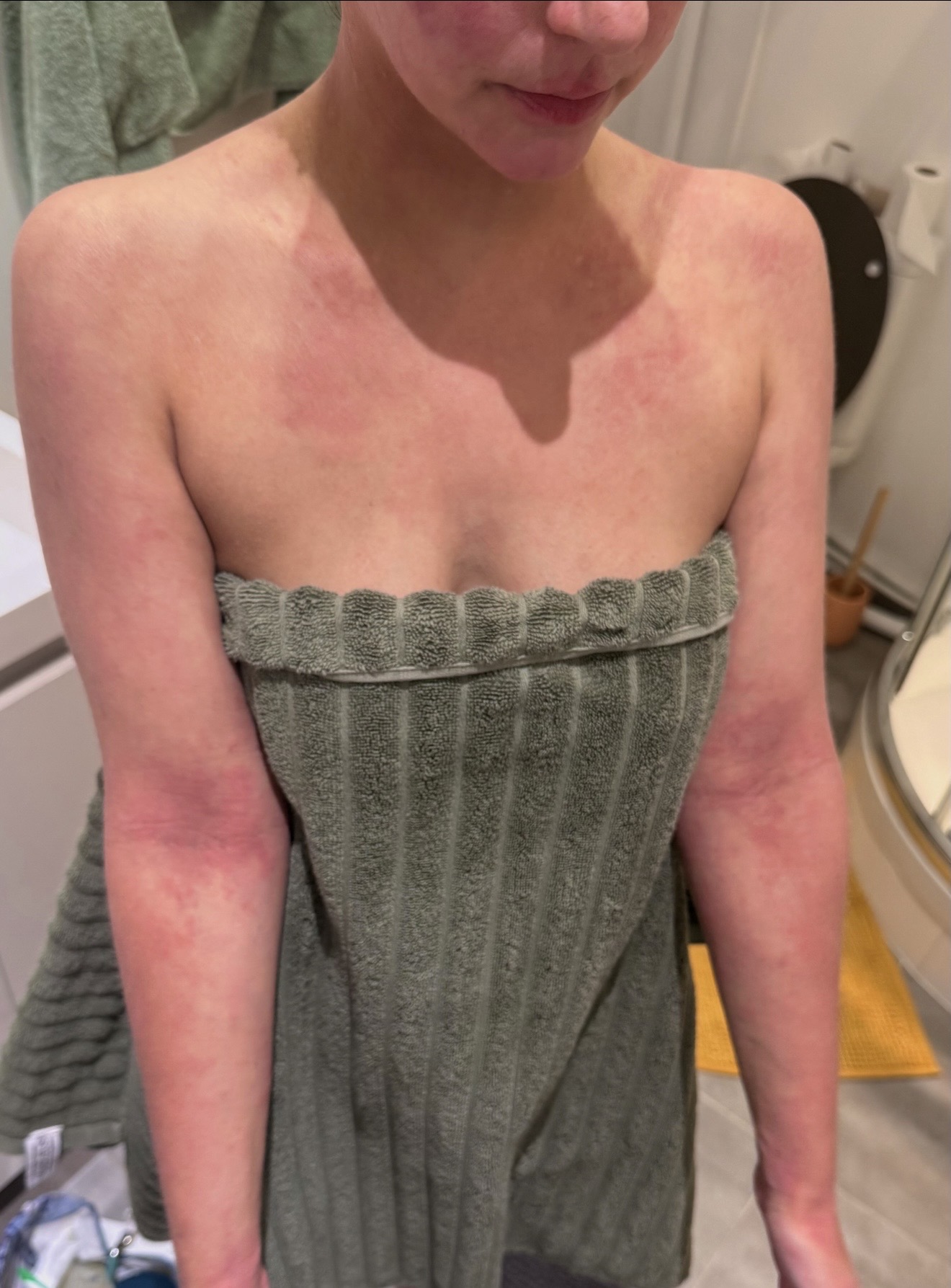
So much of my time and energy was going into managing and thinking about eczema that I had very little headspace for anything else. Living through a prolonged flare was emotionally exhausting, and it had a huge impact on my quality of life.
Eight months of broken sleep
One of the biggest impacts on my mental health was the chronic lack of sleep for around eight months. My sleep was repeatedly disrupted every single night by eczema. The itching and pain would keep me awake for hours, wake me up during the night, and make it difficult to get comfortable enough to rest. I was also given oral steroids (prednisolone) for my eczema during this time which caused insomnia. Sleep became another thing I was constantly thinking about. I would dread bedtime. Instead of it being a relaxing time, a chance to switch off and forget about eczema, it became another source of worry for me, about whether I would get any sleep that night.
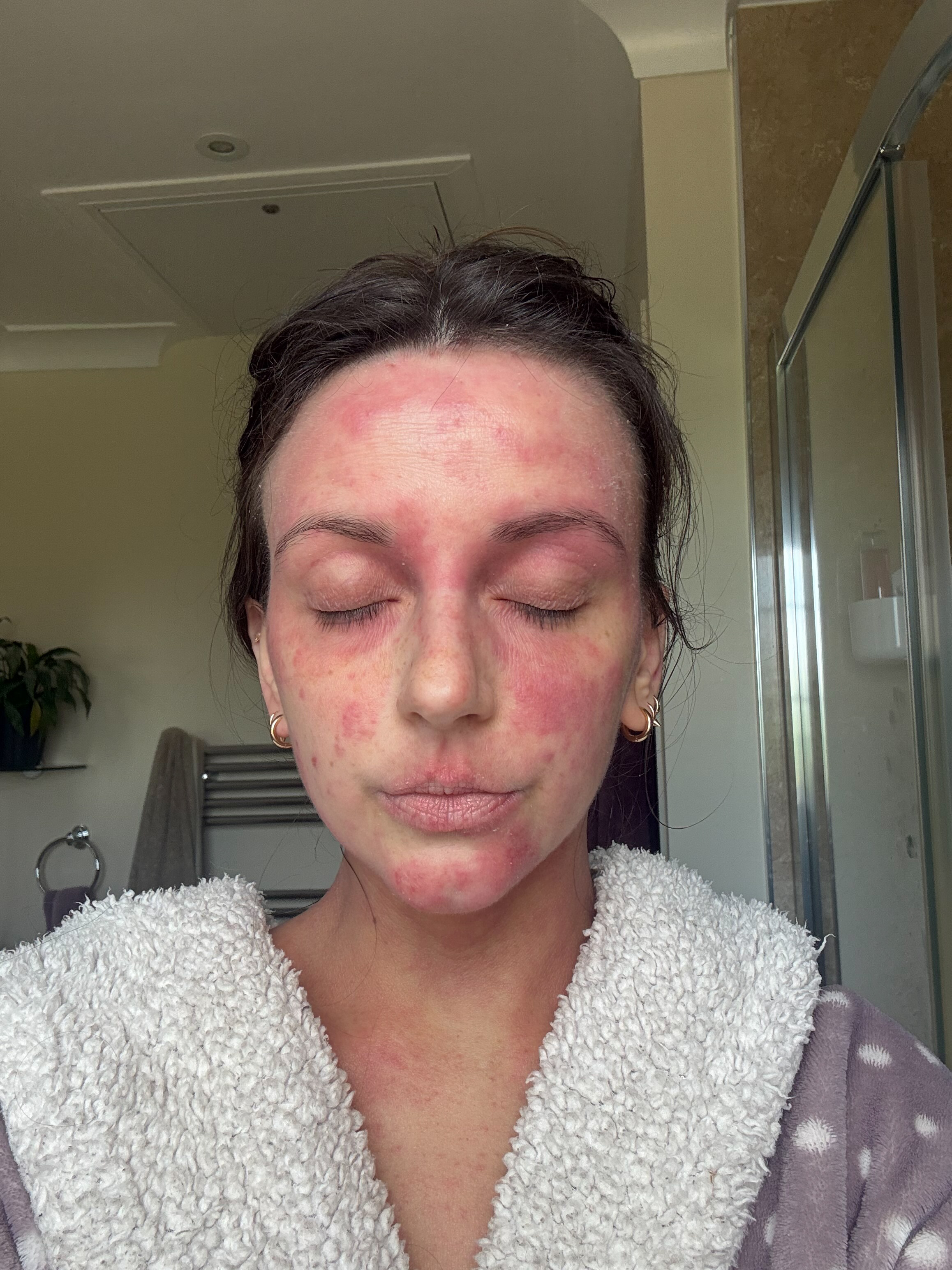
The nights and days felt so long during this time and I felt continually exhausted. I think the connection between eczema, sleep and mental health deserves more attention. Poor sleep can make it harder to cope with the emotional impact of a chronic condition, while stress and worry can make it harder to switch off and sleep. As I found, these things can become a cycle that is difficult to break. Months of disrupted sleep became part of the wider mental and emotional toll of living with eczema.
When your skin improves, but your mind hasn't caught up
One of the hardest things for me has been realising that getting better physically doesn't necessarily mean you immediately feel better mentally. I realised that the mental impact didn’t disappear at the same time as the physical symptoms. Although my skin is calmer now, I still feel very alert to every itch, I’m constantly aware of how it looks and feels and I still worry that another severe flare could be around the corner. After spending so long dealing with severe eczema, I think my brain is still in that period of constantly being on high alert. You spend so long wishing for your skin to improve and imagining how much better you'll feel when it finally does. But when that moment comes, you don't necessarily switch off overnight.
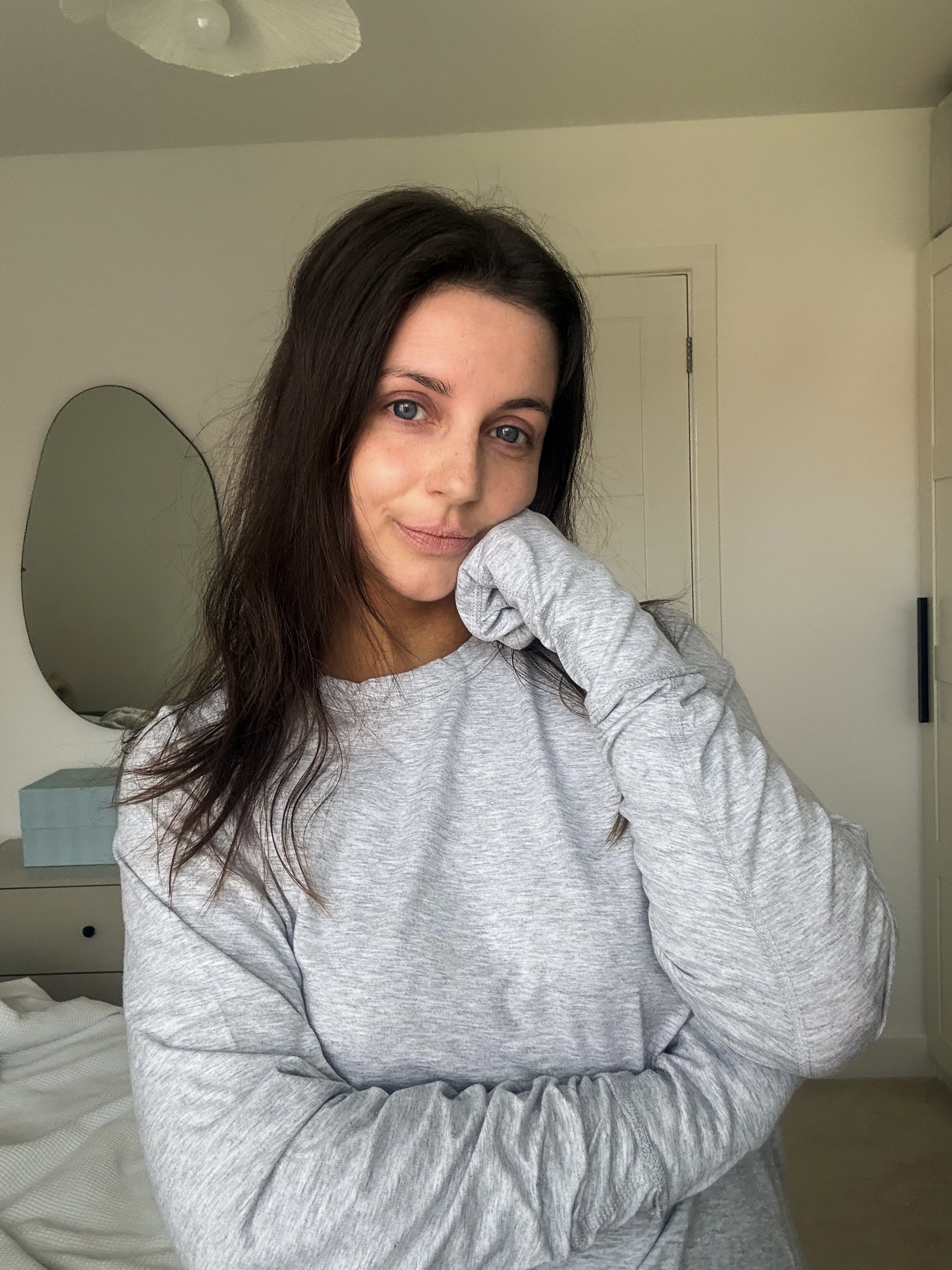
Your skin can be calmer while your mind is still catching up. I think that's an important part of the mental health impact of eczema that isn't talked about enough. Recovery isn't necessarily as simple as your skin becoming clear and you can now get on with your life as normal. There can be a mental and emotional aftermath to living through a severe flare which deserves recognition too.
The part of eczema care I feel is missing
I’ve really struggled mentally with this flare, and I think it’s important to say that. It’s okay to admit that eczema can affect your mental health just as much as your physical health. But something that has stood out to me throughout my experience this year is that, despite having numerous GP, hospital and dermatology appointments, not once has a healthcare professional asked about my wellbeing or how I am feeling and coping. Treating the physical symptoms is incredibly important but eczema doesn't only affect your skin. It can affect your sleep, mental health, wellbeing, confidence, relationships, social life, ability to work and overall quality of life. I feel passionately that mental health should be recognised as part of eczema care. I would love to see a more joined-up approach in the future, where mental health and emotional wellbeing are routinely considered alongside physical treatment, particularly during severe or prolonged flares.
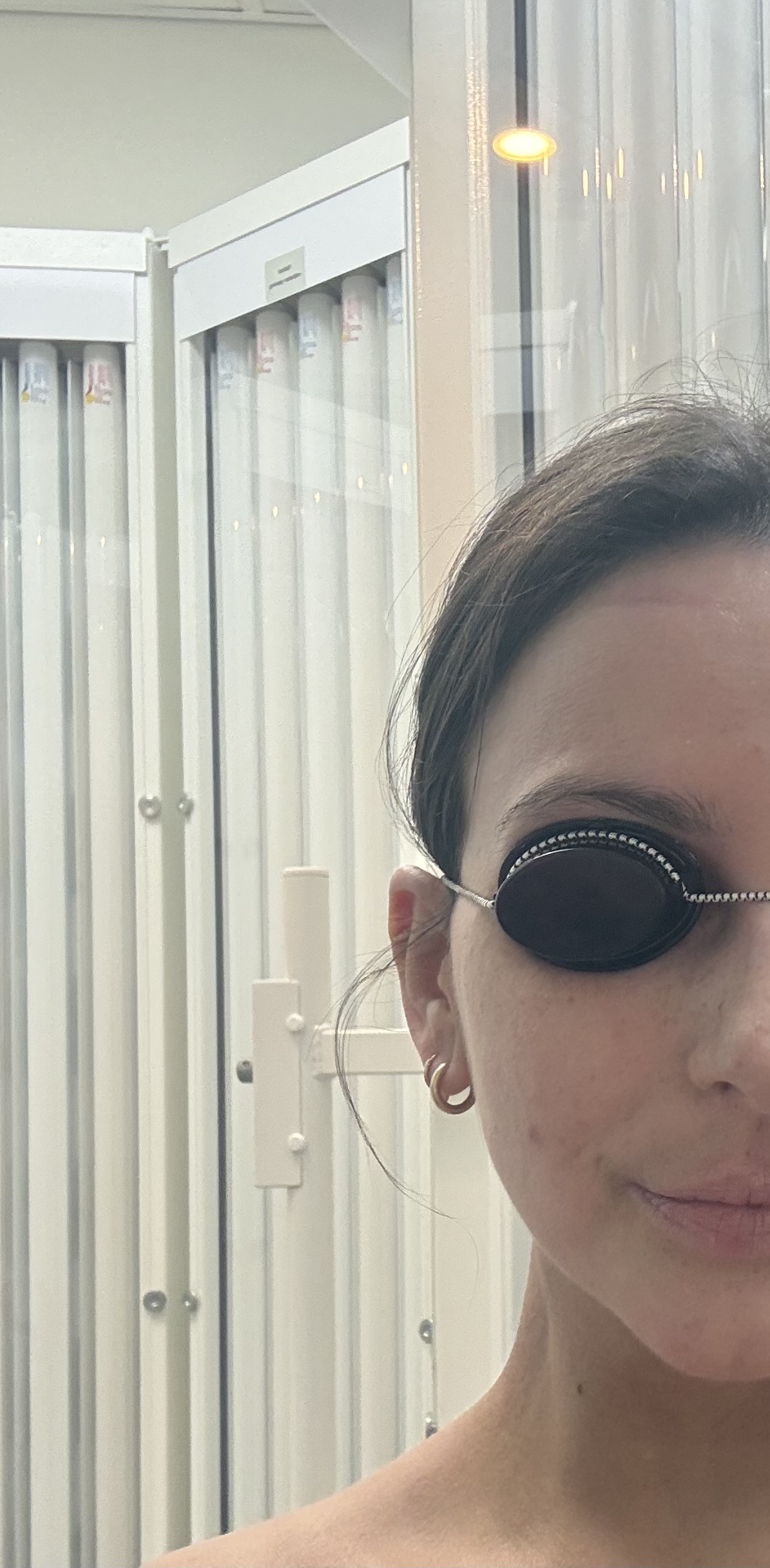
Eczema patients could be given the opportunity to talk about things such as anxiety, low mood, sleep difficulties and the wider impact eczema is having on their quality of life, with appropriate support and signposting available when needed. This wouldn't mean that everyone with eczema needs mental health support. But routinely asking about it would mean that people who are struggling have an opportunity to talk about it, rather than having to reach crisis point or find support entirely on their own. Simply being asked, “how are you coping with this?” could open up a conversation that might otherwise never happen.
Finding connection through sharing my experience
Sharing my experience of eczema on social media has also shown me how powerful it can be to talk openly about the reality of living with the condition. I've had so many people reach out to me after seeing my posts and tell me that they are grateful I've shared my experience because it has made them feel less alone. That has meant a huge amount to me, because I know how isolating eczema can feel. If I can take one positive from the experience, it’s finding purpose in the chaos and using my experience to help raise awareness.
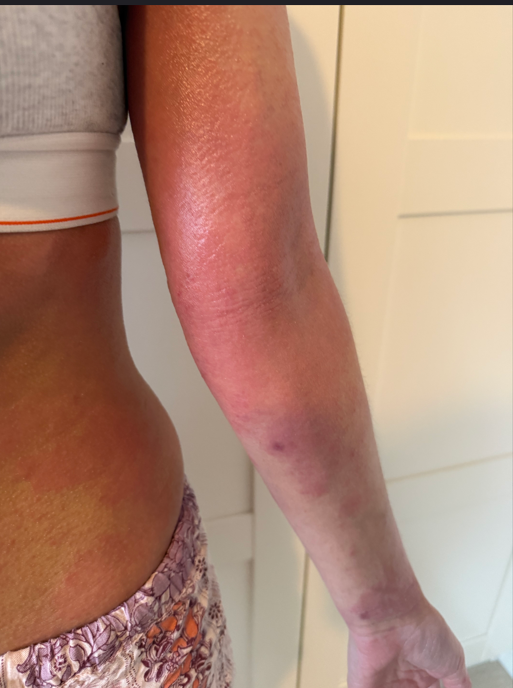
I think there is real value in creating spaces where people can see honest experiences of eczema and recognise themselves in somebody else's story, especially as growing up I never saw eczema represented anywhere, other than in myself. Sometimes, simply knowing that someone else understands the itching, the lack of sleep, the worry, the impact on your confidence and the fear of another flare can make you feel a little less alone.
What I want people to understand
Eczema is so much more than dry skin or a rash. The physical symptoms may be visible, but the emotional burden often isn't. The impact reaches far beyond the skin. Someone's skin might look calmer, but they are still dealing with the worry, exhaustion and emotional impact of everything they've been through. For me, getting my skin under control has been important, but I don't think recovery is simply about reaching a point where your skin looks better.
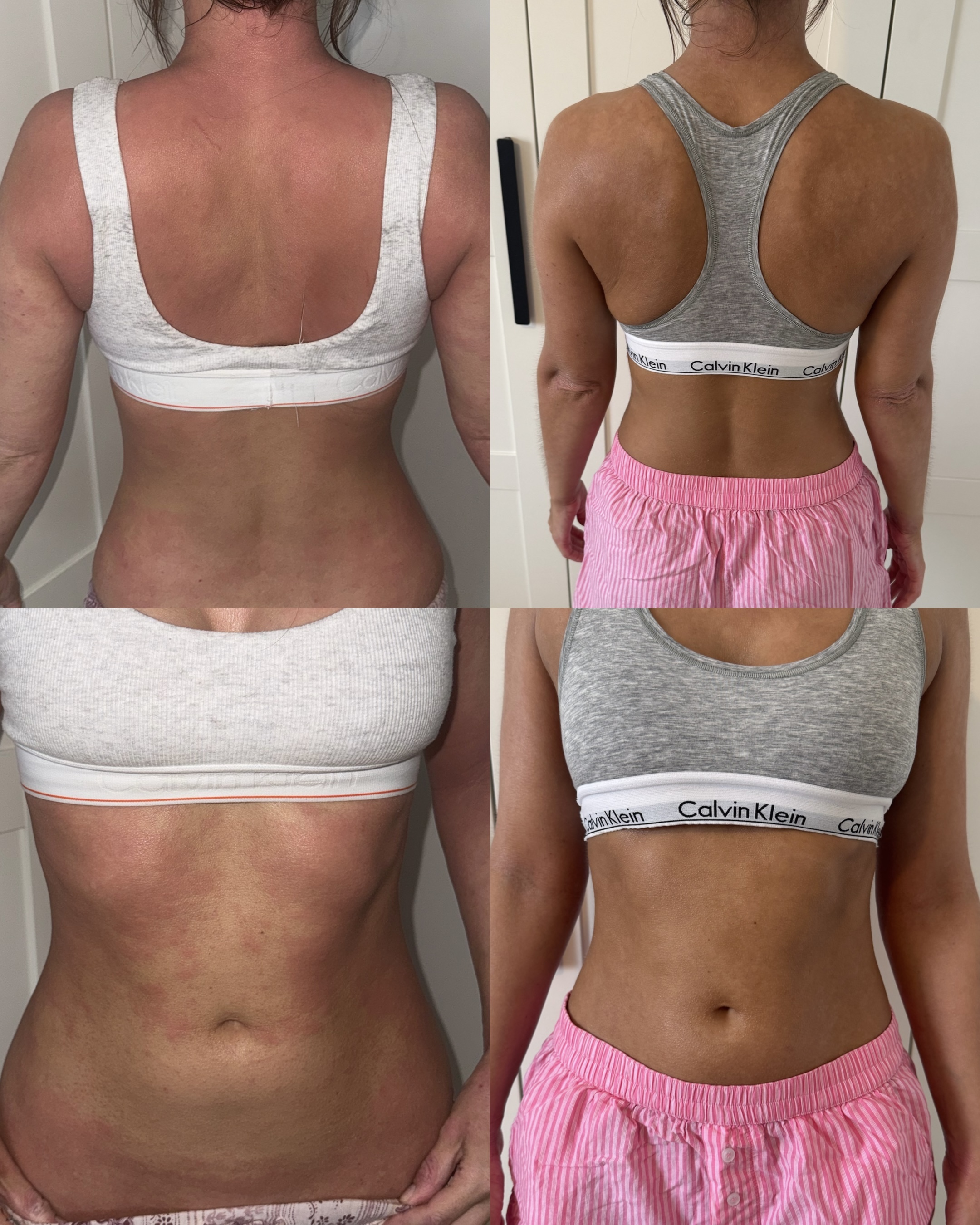
After eight months of disrupted sleep, physical symptoms and the emotional strain of living with eczema, I think I am still recovering from the experience as a whole. I want people living with eczema to know that they are not alone if they feel this way. And I hope that, in the future, mental health and sleep will be seen as essential parts of eczema care, so that people are supported as a whole person, not just treated for what is visibly happening on their skin.