
How yoga and meditation could help your eczema
.png)
Medical Advisory Board member and GP Dr Angelika Razzaque, shares how yoga can reduce stress, and why this is so beneficial for people with eczema.
The word ‘yoga’ comes from the same root as ‘yoke’ – which refers to the way that it joins together mind and body. Why is this especially relevant for people with eczema?
Yoga class
Any form of physical movement, from gardening to going for a walk, can take you away from your thought processes and into the ‘here and now’. But yoga has evolved over the years to help people tune in to what’s happening in your mind as well as the sensations in your body. (Some teachers refer to yoga as ‘open eye meditation’.) A lot of people use yoga for strength and fitness, which are valuable benefits, but underneath it there is a focus on mindfulness, looking after yourself and being in the present.
What is the relationship between eczema and stress?
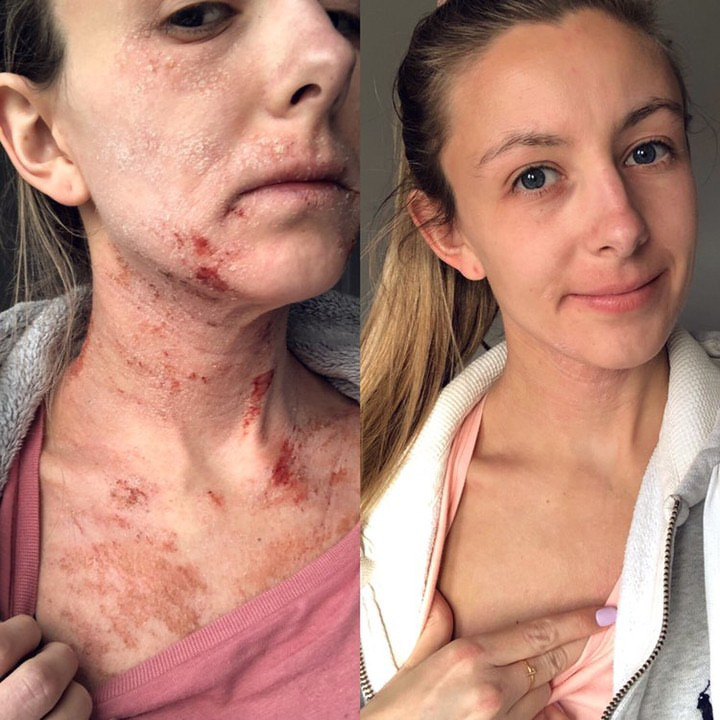
The link between eczema and stress is well evidenced. An important part of my consultations with patients with eczema involves making sure they understand this link. Then we talk through their life circumstances and the stresses they face, before exploring ways they can minimise that impact.
To be clear, I would never suggest that someone finds a way to go through life without experiencing stress – that’s just not possible. But we can find ways to counterbalance the stress. The more stress we have, the more we need to nurture ourselves, to maintain a healthy balance. If someone has eczema, this is especially important as stress can trigger a flare.
Often when people have a flare, they think ‘Perhaps I’ve done something wrong’ or ‘Maybe I need some different treatments.’ Often I find it’s more a matter of identifying what particular triggers life is throwing up at the moment. Even if these factors can’t be removed, there are often things you can do to minimise their impact.
How can yoga help?
Yoga can contribute to a healthy balance – energising your body and providing structured time to look after yourself. It’s also good for your self esteem, too: after doing a class, you feel ‘I’ve done something really good for myself, rather than just sitting down all day.’ Other benefits include spending time in a calming physical environment, and making new social connections with others in a yoga class.
But the mindfulness and relaxation elements of yoga are crucial. Breathing techniques are a central part of yoga practice. Throughout the session, every physical movement is accompanied by a breath in or out. And even the most strenuous classes end with a meditative relaxation session to take your mind off the day-to-day challenges.
At a deeper level, yoga may affect your relationship with your body by cultivating a sense of curiosity, without judgement, about what is happening in your body and your mind.
If you have a condition such as eczema, you may often try to avoid noticing the feelings in your body altogether. Over time, yoga may help you see any unpleasant thoughts, emotions or sensations differently and tune in to pleasant feelings. It may make you more aware of symptoms at an earlier stage so that you can take early action. You will also learn to use the breath and physical movements to calm your whole self, including body and mind.
Can yoga help with symptoms like itching?
Over time, it may. An important aspect of managing eczema involves tackling the habits that people understandably develop over time. For example, the itch–scratch cycle is very much about habit. With support, people can break the cycle.
I can help as a clinician – for example, by motivating people and praising positive change. But practising regular yoga instils internal changes over time. So, reducing stress becomes second nature – for example, you might find yourself doing slow out-breaths without even realising you’d started. As you gradually become more self-aware, you feel less reactive to outside stimuli and more in control.
How can someone with eczema stay comfortable in a yoga class?
In terms of clothing, the focus is on finding something comfortable and light. There is no pressure to wear Lycra gym gear as this may irritate, although very loose clothing may flap around and cause itching. Choose something that doesn’t restrict movement and doesn’t rub against sensitive areas of your skin. The most important thing is that it feels comfortable.
You can bring your own yoga mat, which you may find helpful if you are self-conscious about leaving flakes behind.
There are many types of yoga and it’s worth experimenting to see which suits you, depending on your fitness levels, flexibility and experience. Hatha is a broad approach suitable for beginners, while vinyasa involves flowing movements. There are also meditative, calming styles such as yin yoga. There are benefits from all kinds of practices but even the rigorous styles incorporate mental relaxation.
If sweat sensitizes your skin, you might want to avoid particularly dynamic forms of yoga such as Ashtanga. Bikram yoga is a style that is practised in a hot room with a temperature of up to 41 degrees and a humidity of 40%. This might be uncomfortable for some, but even that may be worth a try – a sweaty environment might not affect you and the heat can increase flexibility, so it does have benefits.
If you’re in doubt, talk to the teacher first. Often your choice may depend on finding a teacher who you really like, or a class that is convenient to get to. Just try different styles and see what you like.
Do you notice the benefits of yoga in your work as a doctor?
Working in general practice can be incredibly pressured, and yes – the effects of yoga on mind and body certainly helps build my resilience and manage the challenges of a busy day.
When I’m faced with a complex or challenging scenario, a debrief with colleagues is not always possible as everyone’s busy. Practising breathing techniques helps me quickly reset and prepare for the next appointment, so that I’m 100% present for my next patient.
Because yoga also helps you be more attune to how you’re feeling, it makes me more aware of how I communicate with those around you. This helps me have positive relationships with my patients – which is key to consultation.
For me, connecting with people is a key part of the patient–doctor relationship: it’s part of the healing. For example. I will always walk out and collect my patient from the waiting area. Those little touches I think make a big difference to the healing process.
It helps me slow down so I really listen to what they’re saying and take the time to explore what’s going on for them and the possible options. It’s lovely when patients say our consultation has been really helpful or that have really felt listened to and taken seriously.
Ideas to minimise impact of stress
Sign up to a yoga class. There are free classes on YouTube such as Yoga with Adriene but the support of a teacher can feel very nurturing.
Notice how you are feeling and simply say to yourself ‘I am stressed’ or ‘I am anxious.’
Slowly count your out-breaths from 1 to 10 and then start at 1 again.
If you like apps, explore mindfulness, breathing and yoga apps to motivate yourself.
.png)
.png)